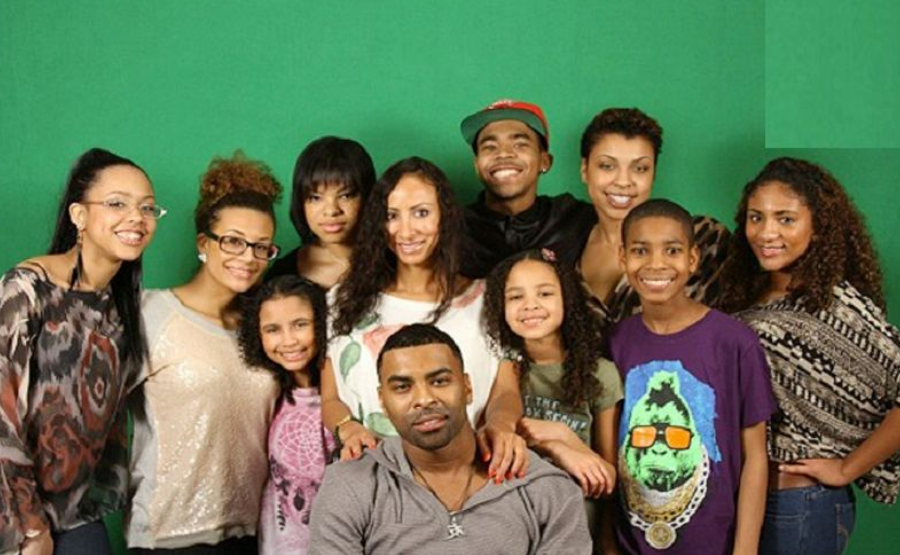
Who Is Story Asaundra Lumpkin? Biography, Parents Ginuwine and Solé, Family, and Life Away From Fame
The word “story” in her name has done something genuinely bizarre to this young woman’s digital existence. Because AI content systems see the word “story” sitting next to the name, they generate articles about storytelling, journalism, narrative as resistance, fictional short story collections, rural Georgia activism. It’s a cascade of hallucination triggered by one English word doing double duty as both a given name and a common noun.
Meanwhile the actual Story Asaundra Lumpkin — born March 29, 2001, oldest daughter of two people who made real music in the 1990s and early 2000s, currently working in her mother’s herbal wellness shop — gets buried under dozens of articles about a person who doesn’t exist.
Let’s fix that.
Quick Bio
| Detail | Info |
| Full name | Story Asaundra Lumpkin |
| Born | March 29, 2001 |
| Father | Ginuwine (Elgin Baylor Lumpkin) — R&B singer, born October 15, 1970 |
| Mother | Aja “Solé” Shah — rapper/singer, born July 17, 1973 |
| Birth order | Oldest daughter of Ginuwine and Solé |
| Siblings | Dream Sarae Lumpkin (b. November 1, 2002), Elgin Lumpkin Jr. (b. ~1992, half-sibling), Ginel Lumpkin, Kayah Lumpkin |
| Parents’ relationship | Married 2003; separated approximately 2015-2016 (Story ~14-15) |
| Mother’s business | Devi Tribe Wellness — herbal/wellness shop |
| Story’s known role | Customer service representative at Devi Tribe Wellness (3+ years) |
| Public social media | No confirmed public accounts |
| Wikipedia page | Does not exist |
| AI fabrication status | Extensive — fake careers as journalist, activist, author, workshop owner |
Two R&B Icons Had a Baby in 2001. And Then They Kept Living Their Very Public Lives.
Ginuwine’s mid-1990s run was not subtle. “Pony” came out in 1996 and reached the kind of cultural saturation that gets sampled and referenced two decades later. “So Anxious,” “What’s So Different?,” “In Those Jeans” — he was selling records at a pace that put him in a different tax bracket than most people his age. By the time Story was born in March 2001, he was already past his commercial peak but still a recognizable name doing stadium work.
Her mother Solé — born Latoya Shah, performing from her given name Aja — was in the music industry too. “4 My People” was her thing, the underground anthem with Missy Elliott’s fingerprints all over it. She was an R&B and hip-hop presence who didn’t achieve Ginuwine’s commercial numbers but had real credibility. She and Ginuwine got together and eventually married in 2003.
Story Asaundra arrived in March 2001, before the marriage. She was born into parents who were already navigating the specific pressures of Black entertainment celebrity — which is different from white celebrity in ways that don’t always get written about clearly. It involves a tighter community, more consistent media scrutiny within that community, and a kind of visibility that follows you whether you chose it or not.
She didn’t choose it. She was just born.
See also “Is Cindi Knight Still Alive? What Happened to Andy Griffith’s Wife?“
The Name Itself
“Story” is not an accident. When you’re two working musicians who understand the craft of building a narrative, naming your first daughter “Story” is a declaration. She was born the year “Story of a Girl” was everywhere, the year TRL was peak culture, into a household where words and sounds were the currency of daily life.
“Asaundra” is the middle name — a Southern variation on Cassandra, the figure from Greek mythology who could see the future and was never believed. Whether that’s intentional or just a family name that got passed along, the resonance is there if you want it.
She carries both names. Neither is ordinary.

Growing Up in the Gap Between Two Musical Worlds
Here’s the thing that most articles don’t engage with: Ginuwine and Solé were both significant artists, but they were significant in different registers. He was a crossover R&B star, radio-friendly, and mainstream. She was more underground, more raw, more embedded in hip-hop. Their marriage was also a merger of two specific audiences, two specific networks, two specific reputations.
The story grew up inside that gap. She wasn’t the daughter of one famous person — she was the daughter of two people who represented different wings of the same world. That shapes a kid in ways that don’t simplify easily.
Ginuwine’s backstory is notably rough. His father died by suicide when Ginuwine was young. His mother died when he was a teenager. He raised himself, essentially, through music, through discipline, through the kind of ambition that comes from having nothing to fall back on. He spoke about these things publicly over the years.
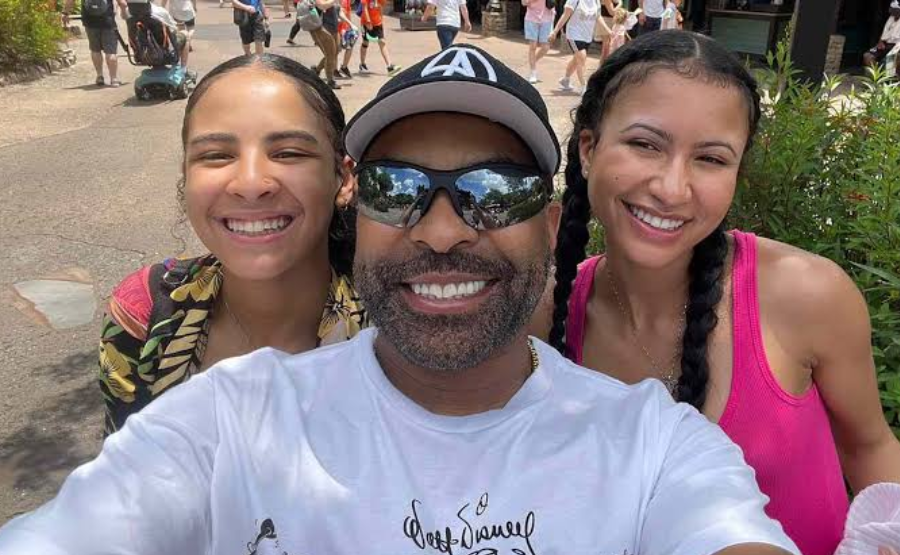
Story grew up with a father who had a complicated relationship with family stability, precisely because he never had it himself. Ginuwine has been openly affectionate with his children on social media — he posts with Story, he documents the relationship publicly — which reads like a man trying to give something he was never given.
The Separation: A Teenager Watching a Marriage End
Ginuwine and Solé separated around 2015 or 2016. The story was approximately fourteen or fifteen. That’s the worst possible age for it, honestly. Too old to be insulated from understanding what’s happening, too young to have the frameworks to process it cleanly.
The public version of the split was relatively quiet by celebrity standards. Solé moved into the wellness space — founding Devi Tribe Wellness, immersing herself in herbalism and healing practices. Ginuwine continued performing and later appeared on a memorable Celebrity Big Brother UK run in 2018 and an episode of Celebs Go Dating where he tried to marry a cast member named Stephanie on live television, which became a small internet moment.
What Story watched, then, was two people going in very different directions. One parent toward public reinvention on reality television. One parent toward quiet spiritual rebuilding through herbs and community. These are genuinely different orientations toward what comes after a marriage ends.
She ended up working in her mother’s shop.
Devi Tribe Wellness: What Story Actually Does
This is the most verifiable piece of her adult life. Story Asaundra Lumpkin has worked as a customer service representative at Devi Tribe Wellness, her mother Solé’s herbal and wellness business, for over three years.
Devi Tribe sells medical herbs, various wellness items described as “potions,” and offers private sessions and classes. It’s a holistic health operation, faith-adjacent in its philosophy, the kind of thing that became more mainstream during the pandemic wellness boom but has roots in older Black healing traditions.
She’s not performing there. She’s working. Customer service representative is an unglamorous title that means she answers questions, helps clients, and manages interactions. In a family business, it’s a support position.
Think about what that choice says. Her father was on Celebrity Big Brother. Her mother was on Love & Hip Hop: Hollywood. The celebrity-adjacent entertainment economy was available to her as a path. She works customer service at a herbal wellness shop.
The AI Problem Is Worse Here Than Almost Anywhere
This is important, therefore I want to be precise.
One AI-generated article describes Story Asaundra Lumpkin as “born into the crucible of systemic challenges” in “rural Georgia,” who published a “debut short-story collection, Beneath the Quiet Fire,” who works as a journalist and “shapes policy dialogue through strategic advocacy,” and who was praised by an unnamed academic for “restoring complexity and credibility.” There is no such book. There is no journalism career. Her family is not from rural Georgia; rather, they are from the Washington, D.C. area. The scholarly quotation is made up.
Another article calls her “a transformative force redefining how communities and justice systems engage with resilience and equity” and says she runs a “gender-neutral workshop.” There is no such workshop. This is entirely invented.
The trigger for all of it is the word “Story” in her name. The AI sees “Story” and starts writing about storytelling, narrative, and journalism. It sees “Asaundra Lumpkin” and finds references to Georgia and Southern Black community life. It synthesizes them into a fiction.
The real Story Asaundra Lumpkin is twenty-five years old, works in her mother’s wellness shop in real life, and has decided not to have a public social media presence. She gets buried under a journalism career she never had and a short story collection she never published.
Final Words
Story Asaundra Lumpkin made a quiet choice. She had every scaffolding available for a public life — famous father, famous mother, the music industry at arm’s reach, reality television as an option, the whole machinery of celebrity-adjacent visibility. She’s chosen, so far, not to use any of it.
Working customer service at Devi Tribe Wellness is not what most people expect from someone with her parents. That’s the whole point. She watched two parents live their careers publicly, watched them separate publicly, watched her father do Celebrity Big Brother and her mother build a wellness empire — and she decided she’d rather help clients figure out which herbal tincture they need this week.
That’s a decision. I respect it, even if I can’t fully explain it from the outside.
The AI content machine will keep generating fake journalists and rural Georgia activists with her name, because the word “Story” is too tempting and there’s too little real information to anchor anything to. The real Story Asaundra Lumpkin is twenty-five, living her actual life, and apparently unbothered by any of it.
Which is, honestly, the most interesting thing about her.
FAQs
1. Who is Story Asaundra Lumpkin?
She is the eldest daughter of R&B singer Ginuwine (Elgin Baylor Lumpkin) and rapper/singer Solé (Aja Shah Lumpkin). Born March 29, 2001, she is the first child from their relationship, which became a marriage in 2003.
2. Who is Story Asaundra Lumpkin’s mother?
Aja “Solé” Shah Lumpkin — a rapper and R&B singer known for “4 My People” (featuring Missy Elliott), who appeared on Love & Hip Hop: Hollywood Season 1 and later founded Devi Tribe Wellness, a herbal and holistic health business.
3. Who is Story Asaundra Lumpkin’s father?
Born on October 15, 1970, Ginuwine’s legal name is Elgin Baylor Lumpkin. He is known for R&B hits including “Pony,” “So Anxious,” and “In Those Jeans,” and has appeared on Celebrity Big Brother UK and Celebs Go Dating.
4. How many siblings does Story Asaundra Lumpkin have?
Ginuwine has five documented biological children: Story Asaundra (March 29, 2001), Dream Sarae (November 1, 2002), Elgin Lumpkin Jr. (born ~1992), Ginel Lumpkin, and Kayah Lumpkin. Some sources cite up to nine children when including stepchildren.
5. What does Story Asaundra Lumpkin do?
She has worked as a customer service representative at Devi Tribe Wellness, her mother Solé’s herbal and holistic health business, for over three years.
6. Does Story Asaundra Lumpkin have Instagram?
No confirmed public Instagram account has been documented. She maintains a private social media presence if she uses social media at all.
7. When did Ginuwine and Solé separate?
Approximately 2015-2016, after marrying in 2003. The story would have been approximately 14-15 at the time of the separation.
8. Is Story Asaundra Lumpkin a journalist or writer?
No. Multiple AI-generated articles describe a fictional version of Story Asaundra Lumpkin as a journalist, community activist, rural Georgia organizer, and author of a short story collection called “Beneath the Quiet Fire.” None of this is real. These are entirely AI-fabricated biographies.
9. What is Devi Tribe Wellness?
It is Solé’s business — an herbal wellness shop that sells medical herbs and “potions” and offers private sessions and wellness classes. Story has worked there in a customer service capacity.
10. Why is there so much false information about Story Asaundra Lumpkin?
Because her first name is also the common English word “story,” AI content systems generate articles about storytelling, narrative journalism, and literary activism when triggered by her name. The confusion produces dozens of entirely fictional biographies about a person who shares her name but not her life.
11. Where does Story Asaundra Lumpkin live?
Not publicly disclosed. Her family has connections to the Washington D.C./Maryland area based on family references in Ginuwine’s background.
Beyond the headlines, discover what’s worth knowing — TheTrendist.

One Comment