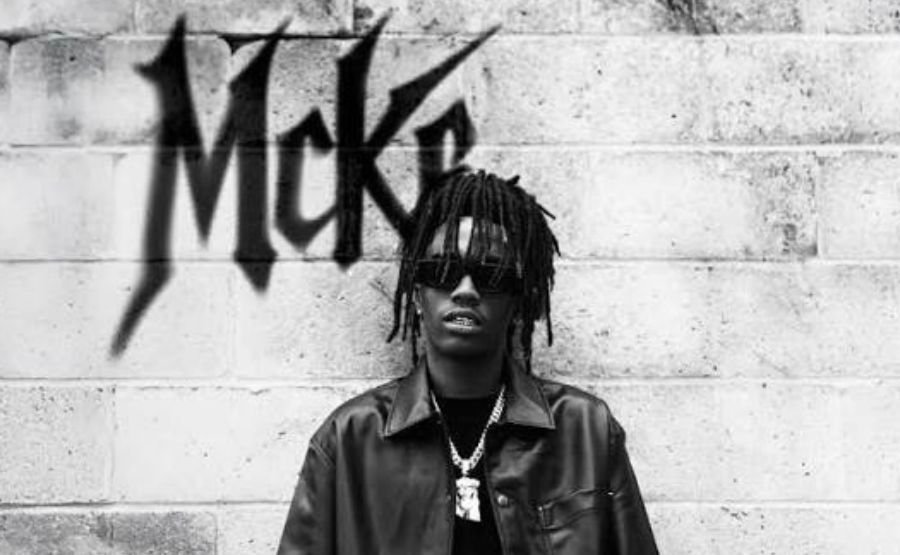
FattMack: The Kid Who Turned 300 Pounds Into a Name and Built His Own Rap Empire
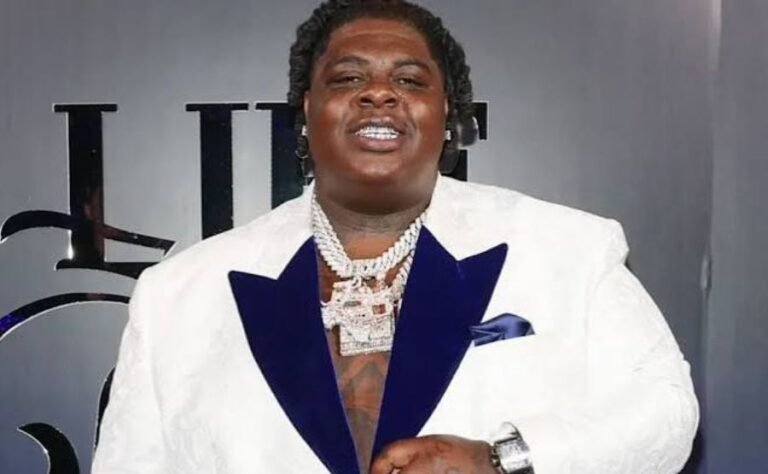
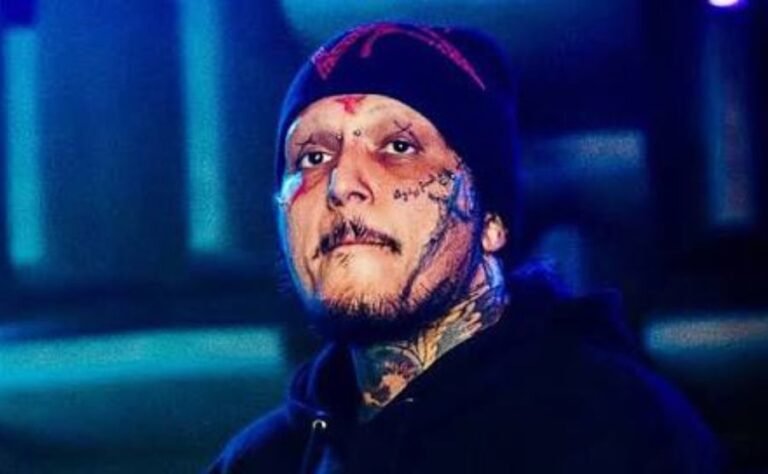
Here’s the thing nobody’s saying out loud about FattMack: his name was supposed to be the punchline. A 15-year-old kid from Mobile, Alabama pushing 300 pounds, calling himself “Fatt” like he’s leaning into a wound — that’s not branding, that’s armor. And somewhere between then and now, while the internet was busy making up fake birthplaces and fabricated net worths for him, McKenzie Haynes went ahead and lost 140 pounds, dropped a dozen albums independently, got signed to a Sony affiliate, had a daughter, collaborated with G Herbo and Polo G, and hit 147 million total streams. Without a publicist. Without a co-sign at launch. Without a genre he fits neatly into.
The mainstream rap internet has barely touched this story. And that’s actually on purpose to explore.
Quick Bio
| Detail | Info |
| Real Name | McKenzie Haynes |
| Born | March 24, 2005 — Mobile, Alabama |
| Stage Name Origin | Self-referential; weighed ~300 lbs at age 15 |
| First SoundCloud Upload | 2017 (age 12) |
| Debut Commercial Album | Rookie of the Year (December 2020) |
| Breakthrough Project | Mr. Did It By Hisself (2023) |
| Biggest Song | “BLRDD” — 12M+ streams (samples Mac DeMarco) |
| Label | Great Day Records / Santa Anna Records (Sony affiliate) |
| Total Streams | 147M+ (as of mid-2025) |
| Personal | Father of daughter Remi Aurora (born late 2025) |
| Notable Collabs | G Herbo, Polo G, Big Yavo (cousin), Lil Poppa |
| Not him | “Fattmacc” from Montgomery, AL — different artist entirely |
Start At Five, Not Fifteen
Let’s rewind the past where everyone starts. Before the rap name. Before the weight. Before “Rookie of the Year” reached SoundCloud.
McKenzie Haynes was five years old singing soprano solos in a church choir in Mobile, Alabama. Think about that for a second. The kid who later built his entire reputation on melodic delivery and emotional vulnerability learned music in a church. Not from a playlist. Not from YouTube. From standing in front of a congregation and actually opening his throat.
That training never left. It’s why his hooks don’t sound like an afterthought. It’s why even on his harder tracks, there’s a structural sense of phrasing that a lot of his peers haven’t bothered to develop.
He was also a football player. Seriously. Deep into it until eighth grade. Then he stopped. The story goes that he switched to rapping as his outlet in high school — a way to stay out of trouble, the way these stories usually get framed. But I think there’s something more specific happening there. Football is a team sport. You answer to a coach. Your jersey is identical to everyone else’s. Rap — especially the way he does it, confessional and self-excavating — is the opposite of that. It’s solo. It’s internal. That shift matters.
He joined SoundCloud in 2017. He was twelve. Two years of early experiments, early fans, early failures, all of it sitting upstream from the 2020 “debut” that most bios treat as ground zero. Those 2017 uploads matter. That’s where the core fanbase actually formed, the listeners who, according to SoundCloud’s own data, still stream him disproportionately on that platform over Spotify or Apple Music.
See also “Fenix Flexin: Biography, Age, Career, Net Worth, and Personal Life“
The Weight of the Name
Okay, here’s the part that’s either deeply poignant or requires more interrogation. Probably both.
At fifteen, FattMack weighed around 300 pounds. He’s talked about feeling embarrassed by it. Really embarrassed. Not the kind of embarrassment you gloss over in a press release — the kind you cry about, the kind that sits in your stomach when you’re a teenager in the South who just quit football and doesn’t know what you are yet.
Then he decided to rap. And he called himself FattMack.
There are two ways to read that. One: reclamation. You name the thing that hurts you before anyone else can. It’s a move as old as hip-hop itself. The other reading: its documentation. Not a statement, just a fact at the time.
Between Mr. Did It By Hisself and its follow-up SkinnyMack in 2023, he dropped 140 pounds in eight months. Eight months. That’s not a slow lifestyle change — that’s a concentrated, intentional transformation. He called the next album SkinnyMack. He kept the “Mack.” He shed the “Fatt.” Literally. And then he kept the stage name anyway.
Which — honestly? That’s the move. Because now the name isn’t about his body. It’s about the whole story.
Two Years Nobody Talks About
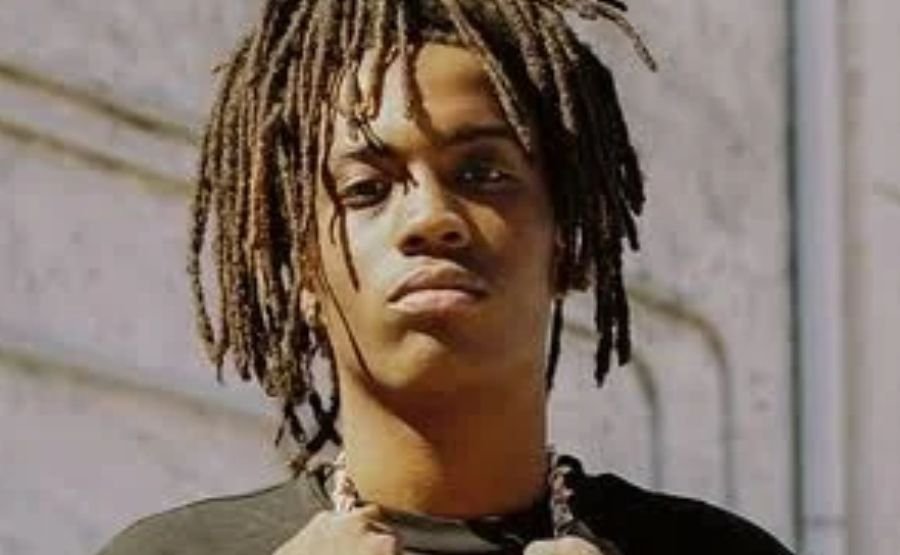
2020 and 2021 were the foundation years. Rookie of the Year dropped in December 2020. He was fifteen. The Villain came in October 2021. He was sixteen.
Listen — most people who were sixteen in 2021 were making TikToks about their lunch. This kid was building a narrative arc across two albums, a story about being underestimated and about positioning himself as the threat rather than the victim. Back-to-back projects. Independent. In a city — Mobile — that was not exactly a nationally recognized rap hub.
Nobody was covering these albums. Not really. You can feel the silence in the archive. No pitchfork. No XXL. No features from established names. Just a kid putting work on SoundCloud and watching it not blow up, and doing it again anyway.
That two-year stretch is the engine of everything. It’s where he developed the craft. It’s where the stubbornness calcified into something useful.
2023: When “By Hisself” Became the Point
By 2023 he released three projects. Three. In a single year. Mr. Did It By Hisself, SkinnyMack, and Fatt. Nineteen years old — wait, no. He was eighteen. Born March 2005, so for most of 2023 he was still seventeen. Releasing three albums at seventeen.
Mr. Did It By Hisself is where things clicked. The title is grammatically “wrong” — “hisself” instead of “himself” — and that’s intentional. It’s Southern vernacular. It’s also a quiet statement of ownership: I did this in my own language, by my own rules, in my own way. The record reflected that.
“I really didn’t have any help. He has stated, “We didn’t really have any money at that time.” His cousin, rapper Big Yavo, had already signed a record deal and charted on Billboard’s Heatseekers. So FattMack had a front-row seat to what getting put on looked like — and he was watching it happen to someone else in his own family while he was grinding independently. That’s a specific kind of fuel. Not resentment necessarily. More like proof of concept with a side of impatience.
The album set him on a trajectory. Streaming numbers started moving. The Southern hip-hop scene in Alabama started paying attention. He was building something.
The Mac DeMarco Moment Nobody Explains Properly
You want to understand what FattMack actually is as an artist? Don’t look at the G Herbo collab. Look at “BLRDD.”
The track samples Mac DeMarco’s “Chamber of Reflection.” If you don’t know that song — it’s a hazy, reverb-drenched indie piece from a Canadian slacker-rock artist who became a cult figure among early-20s white hipsters around 2014. It sounds nothing like anything in Mobile, Alabama trap. It sounds like you recorded it in a fog.
FattMack heard it and made it a rap record. That reached 12 million streams. That became his most-played song.
There’s a casual genre-crossing happening across his entire catalog that most of his press coverage doesn’t bother to articulate. He also sampled OkaySpade’s “Reigning in LA” on his 2025 track “Lebron James.” He does this repeatedly — finding emotional textures in sounds outside the expected lane and dragging them into his world. This isn’t gimmick sampling. It’s a sign that he’s actually listening to music, broadly, the way the SoundCloud generation of the early-to-mid 2010s did. Juice WRLD and Trippie Redd were building bridges between emo, rock, and rap when FattMack was twelve and paying attention.
He cited Lil Wayne as a key influence growing up. You can hear it — the cadence, the way he thinks about wordplay. But the sonic instincts? Those come from somewhere else. Somewhere a little more restless.
The Quiet Period That Wasn’t
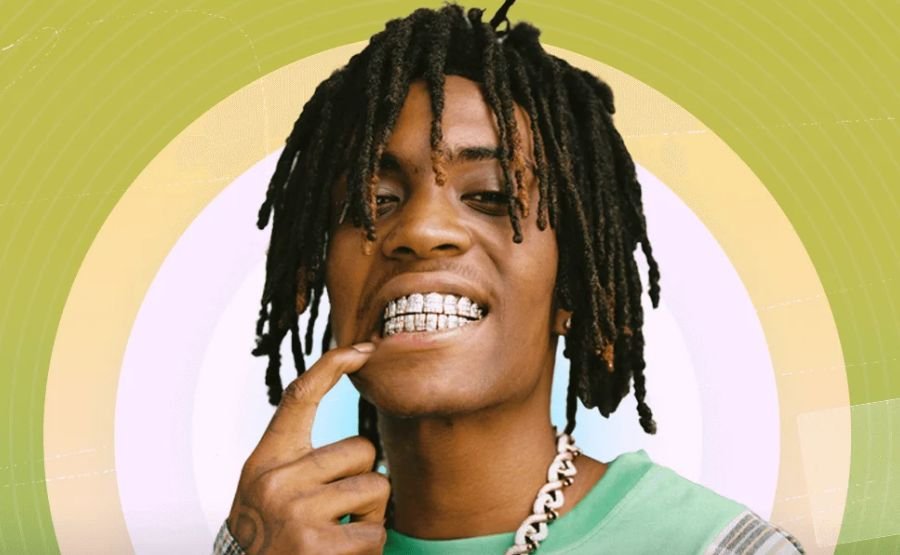
Here’s a thing that doesn’t get examined: FattMack’s rise looks linear on paper but felt invisible from the outside for years. He was putting out projects, growing his core audience, keeping the SoundCloud fanbase loyal — and the national rap press was just… not there. The mainstream discovery of FattMack is very recent. Almost suspiciously recent relative to how much work existed before anyone showed up with a camera.
By mid-2025, he was pulling in over 5 million streams per week and had surpassed 147 million total streams. He performed at Roots Picnic in Philadelphia. He got a SoundCloud Ascending designation for November 2025. He opened for NBA YoungBoy on a sold-out tour. These are not small things.
But try to find a deep profile of him from 2021 or 2022. A real one, not an SEO content farm piece that gets his birthplace wrong. They mostly don’t exist. The music was there. The audience was building. The media cycle just hadn’t caught up yet.
That gap matters. It tells you something about how rap discovery actually works now — which is slower, more community-driven, more rooted in platforms like SoundCloud than anyone in legacy media wants to admit.
The Contradictions In the Catalog
Let me be honest about something. FattMack’s output is genuinely prolific to a degree that makes quality control a legitimate conversation. Three albums in 2023. Then more in 2024. Then Here to Stay, Untreated Trauma, and the sprawling 20-track McKenzie all in 2025. Then McKenzie 2.0 and another project in 2026.
That’s a lot of music. Not all of it lands with equal weight. The Hot New Hip Hop review of Mr. Did It By Hisself 3 in 2026 noted that “the lengthy tracklist won’t satisfy all.” That’s a polite way of saying some of this is filler.
However, that is also the point. This is how he builds. He’s not a two-albums-a-decade artist carefully curating his legacy. He’s working. He’s excavating. He sounds like someone who genuinely cannot stop making music, which is both his greatest strength and the thing that’ll eventually require some editorial restraint if he wants to climb past “regional force” into something more permanent.
The catalog also contains some real dark stretches lyrically. On McKenzie, the track “I Admit It” finds him admitting he’s “getting sicker, all these drugs fucking up my body / getting weaker every minute.” He’s already become a father — daughter Remi Aurora was born late 2025. The tension between fatherhood and those lyrics is real and unresolved. He’s writing about it in real time rather than packaging it clean.
That’s either a gift or a warning. Possibly both.
The Atlanta Relocation and What It Means
He moved from Mobile to Atlanta this past year. Framed in press releases as a “creative environment” decision, which is PR language for: the city where things actually happen for Southern rap was pulling him. Makes sense. Doesn’t diminish Mobile’s role in shaping him — he’s been explicit that the city shaped him as a human being, not just as an artist. But there’s an acknowledgment in the move that being from Mobile only gets you so far when the infrastructure you need doesn’t exist there.
His cousin Big Yavo got there first — hit the Billboard Heatseekers chart, opened some doors. FattMack built his own parallel path and arrived at a similar destination by a completely different route. Whether the family dynamic around that has any friction is something he hasn’t really discussed publicly. I’d guess it’s complicated.
Final Words
FattMack is the most interesting 21-year-old in Southern rap right now, and I say that knowing most people reading this probably found out about him six months ago.
What separates him isn’t one single quality — it’s the combination. The church soprano training gives him melodic instincts the average trap rapper doesn’t have. The SoundCloud-era taste that lets him sample Mac DeMarco without it being a quirky detour. The years of indie output that built a fanbase before any label thought to pay attention. The willingness to rap explicitly about his body, his weight, his embarrassment, his pill use, becoming a father too young. None of that is a vulnerability. You can hear the difference.
The weakness is volume. He needs an edit. Or rather — he’ll eventually need to choose which version of himself becomes the definitive one, because right now he’s releasing music like someone trying to make sure he’s documented before anything can stop him. That’s understandable. It’s also not sustainable as a long-term artistic identity.
But here’s what I know: fifteen years old, 300 pounds, Mobile Alabama, no label, no co-sign, no real infrastructure — and he named himself FattMack and got to work anyway. And now he’s 21, he’s toured nationally, he’s collaborating with artists in different orbits entirely, his daughter is named Remi Aurora, and he named his most personal album after his real name. That’s not a redemption arc. That’s just a person who decided not to apologize for what he came from.
Most people never get there.
FAQs
1. What is FattMack’s real name?
McKenzie Haynes. Born March 24, 2005, in Mobile, Alabama. Don’t let the SEO content farms tell you he’s from Atlanta or that his name is “Kevin Johnson” — that’s garbage filler from fake bio sites.
2. Why is he called FattMack?
The name came from a period when he weighed close to 300 pounds as a teenager. He named himself that before anyone else could. Then he lost 140 pounds in eight months and named a follow-up album SkinnyMack — but kept the original stage name anyway. Smart move.
3. When did FattMack actually start making music?
He joined SoundCloud in 2017 at age twelve. His commercial debut, Rookie of the Year, dropped in December 2020. So there are a few years of early work that most articles skip entirely.
4. What is FattMack’s biggest song?
“BLRDD,” off the 2024 project Money Music Murder. It’s sitting at 12 million+ streams and samples Mac DeMarco’s “Chamber of Reflection.” It’s also the weirdest and best evidence of his range as a listener.
5. Is FattMack from the same family as Big Yavo?
Yes. Big Yavo is his cousin. Yavo signed a record deal and charted before FattMack did, which by all accounts motivated him to build something entirely on his own. The “Mr. Did It By Hisself” title isn’t accidental.
6. What label is FattMack signed to?
Great Day Records, a sublabel of Santa Anna Records, which is a Sony affiliate. He signed in 2024 after years of independent releases. His label debut was TMK (November 2024).
7. Is FattMack the same as Fattmacc?
No. Fattmacc is a different rapper from Montgomery, Alabama. Same state, different city, different artist, different name spelling. The confusion is real and frequent online, so watch the double-c.
8. Does FattMack have kids?
Yes. His daughter, Remi Aurora, was born late 2025. The McKenzie album was built around that transition — becoming a father while still being a teenager navigating fame. He’s open about the emotional complexity of it.
9. How many streams does FattMack have?
As of mid-2025, he’d crossed 147 million total streams and was pulling over 5 million streams a week. His SoundCloud following is unusually loyal compared to other platforms — a relic of where his fanbase actually formed.
10. Did FattMack really play football?
Yes. He was serious about it through eighth grade. Then he switched to music. The competitive drive that football builds seems pretty intact in how he approaches output — he’s relentless about releasing, almost to a fault.
11. What’s the deal with all the fake bios online for FattMack?
The SEO content farm problem around his name is remarkable. Multiple sites list him as being from Atlanta, Germany, or Los Angeles, with birth years ranging from 1993 to 1997, net worths from $2M to $10M, and real names ranging from “Kevin Johnson” to “Marc Hakenjos.” Almost all of it is fabricated filler scraped from templates and published to rank on Google. His actual details are: born March 24, 2005, Mobile Alabama, real name McKenzie Haynes. Everything else from those sites should be treated as fiction.
Beyond the headlines, discover what’s worth knowing — TheTrendist.
2 Comments