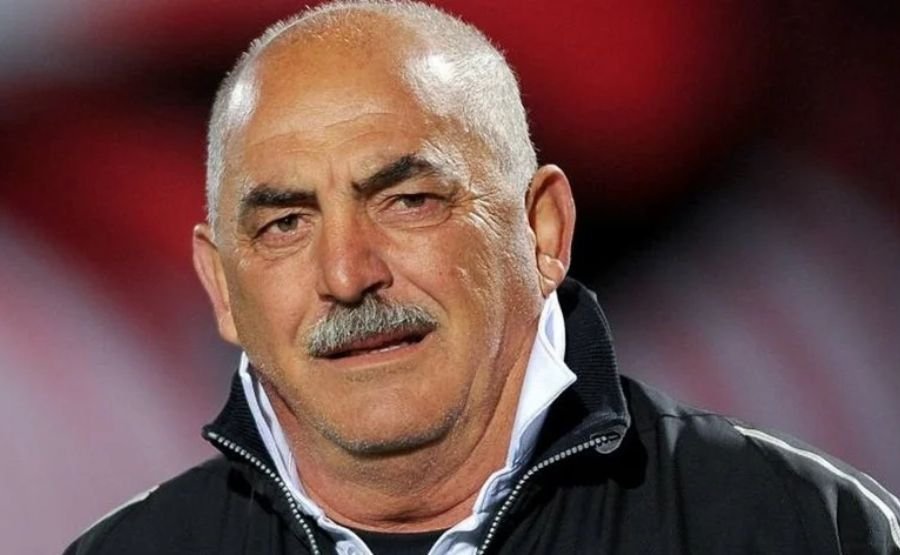
Victor Oliveira : The Football King Who Never Got the Benfica, Porto, or Sporting Call
Here’s something most Portuguese football fans won’t say out loud, even now, even after the eulogies and the minute of silence and the league award named in his honor: Vítor Oliveira was probably good enough to manage Benfica, Porto, or Sporting. And he never got the call. Not once. Not even a rumor. Not even a whisper from a director who’d had a few too many at a post-game dinner. A man who won eleven promotions in a coaching career spanning four decades, who commanded the respect of the national team manager, who drew tributes from Mourinho the day he died — and the three clubs that dominate Portuguese football never thought to pick up the phone.
That tells you something about how football really works. It doesn’t reward consistency. It rewards narrative.
Quick Bio
| Detail | Info |
| Full Name | Vítor Manuel Oliveira |
| Born | 17 November 1953, Matosinhos, Portugal |
| Died | 28 November 2020, Matosinhos (heart attack, age 67) |
| Playing Position | Midfielder |
| Playing Career | Leixões, Paredes, Famalicão, Sp. Espinho, Sp. Braga, Portimonense (1972–1985) |
| Coaching Career | 1978–2020; 20+ clubs |
| Promotions as Manager | 11 (in 18 second-tier seasons) |
| Nickname | “Rei das Subidas” (King of Promotions) |
| Background | Son of a fisherman and fishmonger; studied engineering at Universidade do Porto |
| Contract style | Almost always signed for one year only |
| Died without a club | Last job: Gil Vicente (2019–20); was unemployed at time of death |
A Man From The Beach Who Never Left Home
Before the dugout, before the promotions, before the nickname — there’s a kid on the beach in Matosinhos. Son of a fisherman. Son of a fishmonger. In the 1950s, in a coastal town north of Porto, you didn’t grow up with much. What you had was the Atlantic, the smell of the fish market, and football on the sand.
That’s where Vítor Oliveira started. His local club was Leixões. Of course it was. He grew up watching them, then playing for them, in the place where he was born and where he died. The city gave him the Medalha de Valor Desportivo in his later years. He earned it. He also never left. Both of those things matter.
What’s less talked about is engineering. He tried to study it, apparently — physics and maths came easily to him — but the football career took over. You can actually see the engineer in the manager, if you look. He was deeply tactical, analytical, and concrete in his expectations of players. Not poetic. Not inspirational in the theatrical sense. He planned things. He organized things. Then he got them done.
See also “FattMack: The Kid Who Turned 300 Pounds Into a Name and Built His Own Rap Empire“
The Accident That Launched Everything
He finished as a player in 1985, at Portimonense. That club, down in the Algarve, had been his final posting as a footballer. And then — this is the origin story that gets glossed over — he thought he was going in for a contract renewal meeting. The president summoned him. Vítor Oliveira assumed it was to extend his playing contract.
It wasn’t. They were offering him the manager’s job instead.
He was 31. He had never had a day in life. He accepted.
Think about that for a moment. The career that made him legendary didn’t begin with a plan. It began with a meeting that went differently than expected. He walked in as a player and walked out as a manager. His career as a manager lasted over forty years. His career as a player lasted thirteen.
His first managerial season at Portimonense yielded the best top-flight finish of his entire coaching tenure — seventh place. Seventh. In the Primeira Liga. First attempt. That should have been a signal to the bigger clubs. It wasn’t.
What The “Rei das Subidas” Label Actually Hides
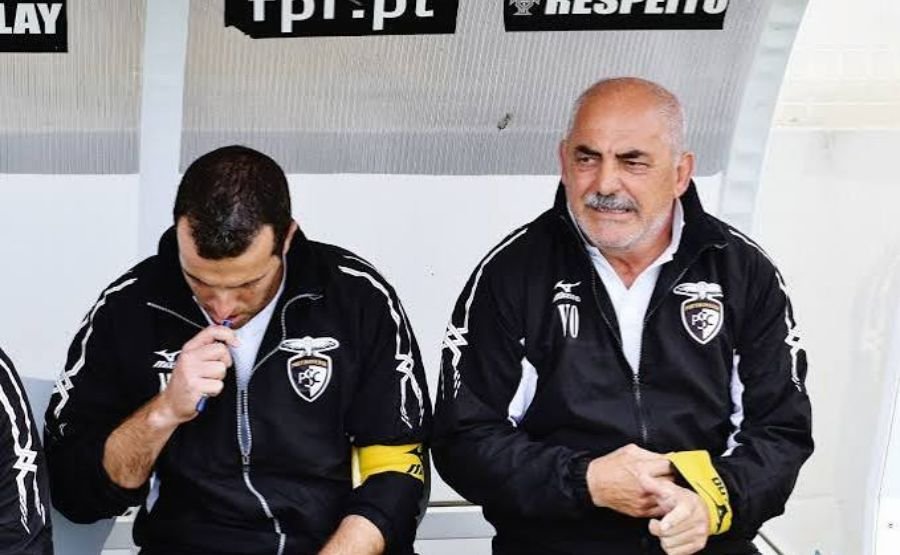
The nickname is brilliant marketing and terrible criticism at the same time. “King of Promotions.” Eleven promotions in eighteen second-division seasons. That’s a 61% hit rate. In a league, across four decades, against dozens of different squads and opponents and budget constraints.
But the nickname also did something insidious. It made casual observers think his skill was somehow limited. A specialist in a lower division. A promotions merchant. Not a real top-flight manager.
Let’s be truthful about the actual content of the record. He stabilized Portimonense in the Primeira Liga. He kept a Gil Vicente squad assembled from scratch — 26 new faces, only seven with top-flight experience — safe in the Primeira Liga with 10 rounds to spare. His last top-flight season. At 66 years old.
The “treinador da moda” jab from Rui Vitória before the Portimonense–Benfica match in 2017 was meant to belittle him. Vítor Oliveira didn’t bristle or sulk. He just went and coached his team and kept Portimonense up. He had a mustache, a relaxed style, a bluntness that didn’t fit the modern image of a football coach as brand manager. That probably worked against him.
The Philosophy That Made Him Untouchable — And Overlooked
He explained his own logic better than most journalists ever did. In a 2015 interview, asked why he kept choosing the second tier over the first, he said: “It’s better to be in the second division playing to go up than to be in the first losing and wearing yourself down.”
Simple. Almost brutally simple. He wanted to win. He chose the context where winning was more likely. He didn’t dress it up in tactical systems or philosophical frameworks. He just made the pragmatic call, repeatedly, for forty years.
The one-year contracts were part of the same thinking. Sign for a year. Do the job. Evaluate. If it’s working, stay. If it isn’t, move. He renewed some of those contracts. He left others. He returned to Paços de Ferreira twice — once in 1991, once in 2019 — bookending a career with the same club, the club where everything as a manager truly began.
He had no agent. Deliberately. He chose where he wanted to work, without a middleman taking a percentage or steering him somewhere more lucrative. That’s almost unheard of in professional football at any level, and it told you exactly who he was.
The Jorge Jesus Rivalry (And Why It Got Ugly)
This one is complicated. Let me not oversimplify it.
Their careers ran parallel for decades. Same generation, broadly. Both built their reputations in the second tier. But they diverged sharply. Jesus found his way to Benfica, built a dynasty, and became the name synonymous with modern Portuguese football. Oliveira stayed in the II Liga, piling up promotions.
The professional friction appears to go back to 2004–05, when Oliveira left Moreirense mid-season and Jorge Jesus replaced him. Jesus later suggested the team had been poorly prepared when he arrived. Oliveira didn’t forget.
Years later, Vítor went public and hard: “Jorge Jesus lost three championships — two at Benfica and one at Sporting — because he has a tremendous ego. Off the pitch, Jesus is a disaster.” He added, for good measure, that he didn’t believe Jesus was as tactically creative as Jesus claimed to be.
Mourinho later framed the rivalry more diplomatically. People who knew both said Oliveira had more human warmth as a coach, that players loved him differently — not as a god to impress, but as a manager you trusted. One former player said flat out he preferred Vítor Oliveira as a coach, even while admitting Jorge Jesus was tactically superior.
That tension between the human and the tactical is real. And it’s one of the things the “Rei das Subidas” label never captured.
The Paços de Ferreira Return And The Victory Parade
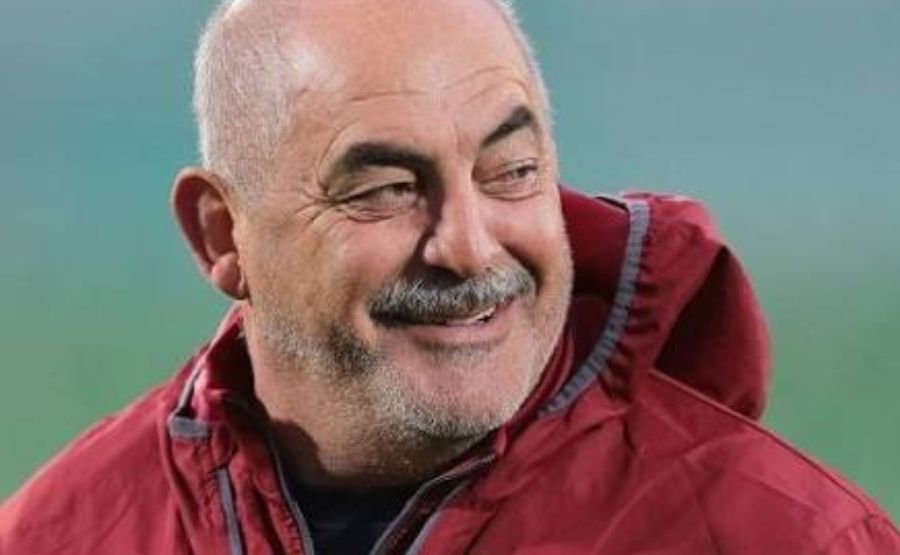
His last promotion was at Paços de Ferreira in 2019. His eleventh. At 65 years old. At the club where all of this began, in 1991.
This wasn’t sentimentality for its own sake. Paços had been relegated — for the first time since 2005 — and needed someone to bring them back up. They are called Vítor Oliveira. Of course they did.
He delivered. With four rounds to spare.
And during the open-top bus parade in Matosinhos — his city — he looked into the crowd and saw his mother. He’d done that before, apparently. The first time he was promoted with Paços in 1991, as a thirty-seven-year-old coach, she was there too.
I find that detail more moving than any tactical breakdown. A man who kept returning to the same city, doing the same job, finding his mother in the crowd each time. The football is almost incidental at that point.
The Uncomfortable Gap Between Death And Tribute
Vítor Oliveira died on 28 November 2020. A walk in Matosinhos. His hometown. A heart attack. He was 67 and out of work — the Gil Vicente job had ended and he hadn’t signed anywhere new.
The tributes poured in immediately. Mourinho, Sérgio Conceição, Fernando Santos, the presidents of Benfica, Porto, and Sporting. A minute of silence in the league. An award named after him — the Liga’s monthly coaching prize. It was, by all accounts, a dignified send-off.
And then, for three years, nobody organized a proper posthumous tribute event.
When one finally happened, the organizer — Zézé Camarinha — said it himself: “He died three years ago and nobody had remembered to do this.” He had to reach out personally to former players and coaches who then, almost universally, said yes. His son and daughter were there.
Three years. For the most decorated promotions specialist in Portuguese football history.
You are free to make your own judgments on that.
Final Words
The thing about Vítor Oliveira that lingers with me — and I’ve read everything I could find, in Portuguese, in the weeks since I started going down this rabbit hole — is the stubborn coherence of the man.
He didn’t want what the system was selling. He didn’t want the big club, the big wage, the big risk of getting sacked after six months at a Benfica press conference. He wanted to win. He built a career around conditions that maximized winning. He chose clubs, not ego. He signed one-year contracts so everyone stayed honest. He refused agents.
And then Portuguese football, as a system, repaid that integrity with four decades of second-tier gigs and a posthumous award.
That’s not a tragedy, exactly. He built something real. Eleven promotions are real. The loyalty of players who called him a father figure is real. The 1,000 games he managed in Portuguese football are real. But I’d be lying if I said it didn’t feel, looking at the record, like a man who deserved at least one shot at the top and never got it — not because he wasn’t good enough, but because the story he represented didn’t fit the one the big clubs wanted to tell.
Football is for those who win, he said. He was right. And then football forgot him for three years anyway.
FAQs
1. Who is Vítor Oliveira?
Portuguese football manager and former midfielder, born 1953 in Matosinhos. Known as “Rei das Subidas” for his record of 11 promotions in the Portuguese second division. Died November 2020, aged 67.
2. What is the “Rei das Subidas” nickname about?
“King of Promotions.” He promoted clubs from the second tier of Portuguese football to the first eleven times in eighteen seasons coaching in that division. Nobody else comes close. The second-most successful manager in that regard had five.
3. Why didn’t he ever manage Porto, Benfica, or Sporting?
Nobody outside football boardrooms can answer this definitively. His record was excellent. He had top-flight experience. But he never got the call. He never expressed public resentment about it, though he admitted his lack of ego might have been “one of the determining factors” in his career choices.
4. How did Vítor Oliveira die?
He had a heart attack while walking near the coast in Matosinhos on 28 November 2020. He was 67 and between jobs, having left Gil Vicente at the end of the 2019–20 season.
5. Why did he only sign one-year contracts?
He said it himself: a one-year contract allowed both parties to evaluate the situation honestly and renew or separate without drama. He saw it as fair, transparent, and self-protective. He was also, notably, working without an agent throughout his career.
6. What was his relationship with Jorge Jesus really like?
Long, complicated, and occasionally hostile. They came up through the same era. The friction apparently started when Jesus replaced Oliveira at Moreirense in 2004–05 and implied the team was badly prepared. Oliveira later publicly called Jesus egotistical and a “disaster” off the pitch. Jesus never really reciprocated publicly.
7. What was his background before football?
Son of a fisherman and a fishmonger from Matosinhos. He was reportedly talented in maths and physics and attempted to study engineering at the Universidade do Porto, but the playing career took over. He started playing professionally at Leixões, his hometown club.
8. How did he become a manager at 31?
By accident, mostly. He was at Portimonense as a player finishing his career, expected a contract renewal meeting, and was offered the manager’s job instead — apparently at the recommendation of Manuel José, who was leaving for Sporting. He accepted and never looked back.
9. What happened in his first coaching season?
He took Portimonense to seventh in the Primeira Liga in his debut season. For context: that was the best top-flight finish he ever achieved as a manager across his entire career. A 31-year-old first-time coach, in the top division, finishing seventh.
10. Was the posthumous tribute to him delayed?
Yes. He died in November 2020 and a formal posthumous tribute event in Portimão wasn’t organized until roughly three years later. The organizer, Zézé Camarinha, noted explicitly that nobody else had thought to do it. His children attended.
11. What is the “Prémio Vítor Oliveira”?
The award the Liga Portuguesa de Futebol Profissional created in his memory — given monthly to the best coach in the second division. Named the same day of his death in November 2020. A fitting tribute, even if the timing was reactive rather than planned.
Beyond the headlines, discover what’s worth knowing — TheTrendist.




One Comment